

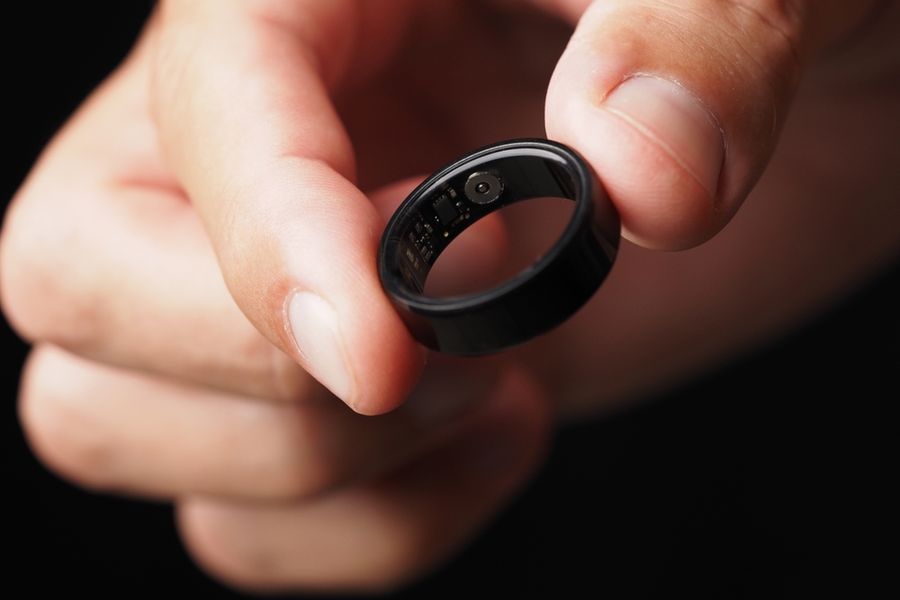
Wearable technology has come a long way from bulky fitness trackers. Smart rings are gaining attention as a discreet alternative. Their compact designs and advanced sensors make them appealing to people who want to understand their health habits without wearing a traditional smartwatch. However, smart rings can be expensive, and their features vary considerably. Knowing what they offer and where they fall short can help you decide whether they're worth buying.
What Are Smart Rings and How Do They Work?
Smart rings are compact wearable devices equipped with sensors that collect information about your body's activity and physiological signals. Unlike traditional rings, they contain miniature electronic components designed to monitor measurements such as heart rate, skin temperature, movement, and, in some models, blood oxygen levels. The information is transmitted to a companion smartphone application, where software interprets the measurements and presents insights about your daily activity, sleep habits, and recovery patterns. Because smart rings use finger-worn sensors for continuous physiological monitoring, they can collect information throughout the day and night without requiring users to interact with a screen.
Most smart rings rely on optical sensors that use light to estimate changes in blood flow beneath the skin. Motion sensors help detect movement and activity, while temperature sensors monitor fluctuations that may relate to sleep, recovery, or other physiological changes. The collected information is processed into measurements and scores designed to make wellness trends easier to understand. Unlike smartwatches, most smart rings don't feature displays, speakers, or extensive app controls. Their main purpose is to gather information discreetly rather than provide an interactive technology experience. For people interested primarily in passive health monitoring, the simplicity can be a major advantage.
The Biggest Benefits of Wearing a Smart Ring
One of the most appealing features of smart rings is their ability to monitor sleep without the bulk of a smartwatch. Many people find it inconvenient to wear larger devices overnight, especially when they prefer sleeping without a watch. A lightweight ring may feel less noticeable while still collecting information about sleep duration, nighttime heart rate, movement, and estimated sleep stages. Some models also generate readiness or recovery scores based on physiological measurements. For example, the Oura Ring 5 offers detailed sleep analysis, heart rate monitoring, temperature trends, and recovery insights through its companion application.
Battery life is another potential advantage. Some smart rings can operate for several days between charges, reducing the need to recharge a wearable every night. The Oura Ring 5 typically provides six to nine days of battery life, although actual performance depends on usage and settings. Smart rings are also relatively discreet, making them suitable for people who don't enjoy wearing larger electronic accessories. Beyond convenience, their continuous monitoring capabilities can help users recognize patterns in sleeping habits, activity levels, and recovery. Rather than relying on occasional measurements, users can review longer-term trends and make more informed decisions about their daily routines.
What Are the Limitations of Smart Rings?
Despite their advanced technology, smart rings have limitations that buyers should understand. One of the biggest concerns is measurement accuracy. Although smart rings can provide useful estimates of heart rate and sleep patterns, their readings aren't always equivalent to those obtained through clinical equipment. A systematic review of smart ring research found promising accuracy for certain physiological measurements but also identified important limitations involving study quality, proprietary algorithms, and inconsistent validation. Sleep-stage estimates can be particularly difficult to interpret because wearable devices don't measure brain activity in the same way as clinical sleep studies.
Smart rings also offer fewer interactive features than most smartwatches. They generally don't provide convenient ways to read messages, answer calls, follow navigation instructions, or control music directly from a screen. Their small size can also make certain exercises uncomfortable, particularly activities involving heavy gripping, such as weightlifting. Some users may prefer removing their rings during workouts to avoid discomfort or damage. Additionally, frequent hand movements, changes in fit, or sensor positioning can affect measurements. Most importantly, consumer smart rings shouldn't be treated as replacements for medical evaluations or diagnostic devices. Their greatest value lies in helping users recognize general wellness patterns rather than identifying or managing medical conditions independently.
How Do Smart Rings Compare With Smartwatches?
Smart rings and smartwatches both collect health and activity information, but they're designed for somewhat different purposes. Smartwatches typically combine fitness monitoring with communication, navigation, notifications, and other smartphone-related functions. Many also offer GPS tracking, workout displays, timers, and dedicated exercise applications. Smart rings take a more focused approach, prioritizing passive data collection and compact design. For someone who wants to monitor sleep and recovery without wearing a watch overnight, a smart ring may be especially appealing. However, active fitness enthusiasts who rely on detailed workout statistics may find a smartwatch more practical.
The decision often comes down to which features you use most frequently. Some people may appreciate the simplicity of a ring, while others prefer having information immediately available on their wrist. Certain devices are also designed to complement one another. For instance, Samsung's Galaxy Ring can share health-tracking responsibilities with a compatible Galaxy Watch. However, purchasing two wearable devices isn't necessary for everyone. The following comparison highlights the main differences worth considering before choosing between the two.
|
Feature |
Smart Ring |
Smartwatch |
|---|---|---|
|
Sleep tracking |
Usually a primary feature |
Commonly available |
|
Heart rate monitoring |
Available on many models |
Available on many models |
|
Built-in display |
none |
Usually included |
|
Notifications and calls |
unavailable |
Commonly supported |
|
Workout tracking |
Often more basic |
Generally more comprehensive |
|
Battery life |
Often several days |
Varies widely by model |
|
Comfort |
Small and discreet, but fit matters |
Adjustable straps, larger design |
|
Best suited for |
Passive wellness and sleep monitoring |
Fitness tracking and everyday smart features |
Neither option is automatically better. A smartwatch may provide greater versatility, while a smart ring can offer a simpler way to monitor wellness without introducing another screen into your daily routine.
What Should You Look for Before Buying a Smart Ring?
Choosing the right smart ring involves more than comparing appearance and advertised features. Comfort and fit should be among your first considerations because the device needs to remain secure enough for reliable measurements without restricting circulation or becoming uncomfortable. Ring sizes can differ between manufacturers and even between generations of the same product. For example, Oura recommends using the correct sizing kit for its Ring 5, rather than assuming a previous ring size will provide an identical fit. Wearing a sizing sample for an extended period can help account for natural changes in finger size throughout the day.
You should also compare battery life, charging options, smartphone compatibility, and the specific health measurements each ring supports. Not every model works equally well with Android and iOS devices, and some features may be restricted to certain operating systems. Subscription fees are another important consideration. For example, Oura Membership costs $5.99 per month or $69.99 annually in the United States, with an active subscription required for access to many detailed insights. Before purchasing, review which features are included without additional payments, how the company handles personal health data, and whether the ring integrates with your preferred fitness applications.
Are Smart Rings Worth the Money?
Smart rings can represent a significant investment, especially when considering the initial purchase price alongside potential subscription costs. Whether they're worth buying depends largely on how much value you'll get from their features. Someone who consistently monitors sleep habits, reviews recovery trends, and adjusts daily routines based on long-term information may find a smart ring useful. On the other hand, someone who checks their activity data only occasionally might struggle to justify the expense. A smart ring also may not be necessary if you already own a smartwatch that provides the measurements you regularly use.
It's important to consider whether the information will actually influence your behavior. A ring that records sleep patterns can help you recognize changes in your routine, but it won't automatically improve your sleep quality. Similarly, tracking activity doesn't replace regular physical movement. Research evaluating consumer wearable accuracy highlights the importance of interpreting measurements carefully rather than assuming every reading is precise. For many buyers, smart rings are most worthwhile when they provide convenient, consistent information that supports realistic wellness goals. If you mainly want detailed workout tracking, phone notifications, or extensive smart features, a smartwatch or traditional fitness tracker may offer better overall value.
Choosing a Smart Ring That Fits Your Lifestyle
Smart rings offer an interesting combination of compact design, passive health monitoring, and everyday convenience. Their ability to track sleep, activity, and physiological trends without requiring a bulky wearable makes them appealing to people who prefer a more discreet approach to technology. However, their limitations, subscription requirements, compatibility restrictions, and sometimes considerable costs mean they aren't necessarily the right choice for everyone.
Before investing, think carefully about which features you genuinely need and how regularly you'll use the information. Compare models, check sizing requirements, review ongoing expenses, and remember that wearable measurements are estimates rather than medical diagnoses. If you're primarily interested in understanding your sleep patterns and overall wellness habits, a smart ring could be a worthwhile addition to your routine. If you prefer a device that handles communication, navigation, and detailed workouts, a smartwatch may be the better fit. Ultimately, the best wearable is one that supports your lifestyle rather than simply adding another gadget to your collection.